
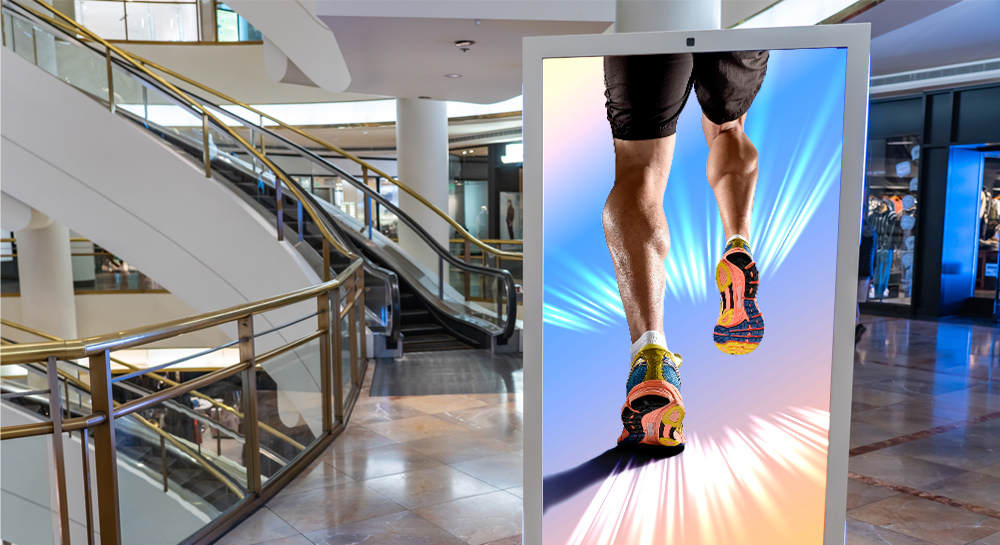
Dynamic Signage Mall Standing Display
The world of signage has come a long way from traditional static displays. Today, businesses are looking for ways to make their messaging more dynamic, interactive, and engaging. Enter dynamic signage – a digital alternative that is quickly gaining traction in the marketing world.
So, what is dynamic signage? Simply put, it is a form of digital signage that allows businesses to display constantly changing content.
Unlike static signage that remains the same for extended periods of time, dynamic signage can display multiple messages, videos, and images in a sequence. This can be done using a range of technologies, including LCD screens, projectors, and LED displays.
One of the biggest advantages of dynamic signage is its ability to grab and hold a viewer’s attention. Traditional static signage often gets overlooked as it blends into the background, but dynamic signage with its constantly changing content is far more likely to catch someone’s eye. This is particularly important in high-traffic areas such as malls, airports, and transportation hubs where businesses are competing for customers’ attention.

Another advantage of dynamic signage is the flexibility it provides. With traditional static signage, businesses are limited to displaying only one message or image at a time. But with dynamic signage, they can display multiple messages, videos, and images in a sequence, making it easier to convey a range of information to customers. Additionally, businesses can change the content on their dynamic signage more easily, as updates can be made remotely using a content management system.
Dynamic signage can also be more cost effective than traditional static signage. While static signage requires businesses to invest in new materials each time they want to update their messaging, dynamic signage can be updated digitally, without the need for new printing costs. And with advances in technology, the cost of dynamic signage has become more affordable over time, making it accessible to businesses of all sizes.
Finally, dynamic signage can provide a better customer experience. By displaying engaging content, businesses can draw customers in and create a more immersive environment. This is particularly important in industries such as hospitality and retail, where customers are looking for an experience, not just a transaction.

One example of a business that has successfully incorporated dynamic signage into its marketing strategy is Adidas. The company installed interactive LED displays in its flagship store in London, allowing customers to browse products and see their features and benefits displayed on-screen. The displays also provided an immersive experience by featuring custom visuals and audio to create a unique shopping experience for customers. In conclusion, dynamic signage is the future of signage. Its flexibility, cost-effectiveness, and ability to provide an engaging customer experience make it a popular choice for businesses looking to upgrade their marketing strategies. By using dynamic signage, businesses can stand out from the competition and convey their messages in a more impactful way.
