

CMS Software Graphic
In today’s fast-paced digital world, businesses are increasingly turning to digital signage to communicate with their customers. Digital signage has become an essential marketing tool for businesses of all sizes, as it provides an effective way to reach a larger audience and deliver targeted messages. However, with multiple screens and content to manage, it can be a challenging task to keep all the digital signage in sync. That’s where a content management system (CMS) comes in handy.
A content management system is a software application that helps businesses manage their digital signage content in a centralized location.
The CMS can be used to upload and schedule content, manage playlists, and monitor the performance of each screen. Using a CMS can help streamline the digital signage management process, saving time and resources.
One of the main advantages of using a CMS is the ability to update content remotely. With a CMS, businesses can upload new content, update playlists, and schedule new messages from any location. This is particularly useful for businesses with multiple locations, as it allows them to manage all their digital signage from a central location.
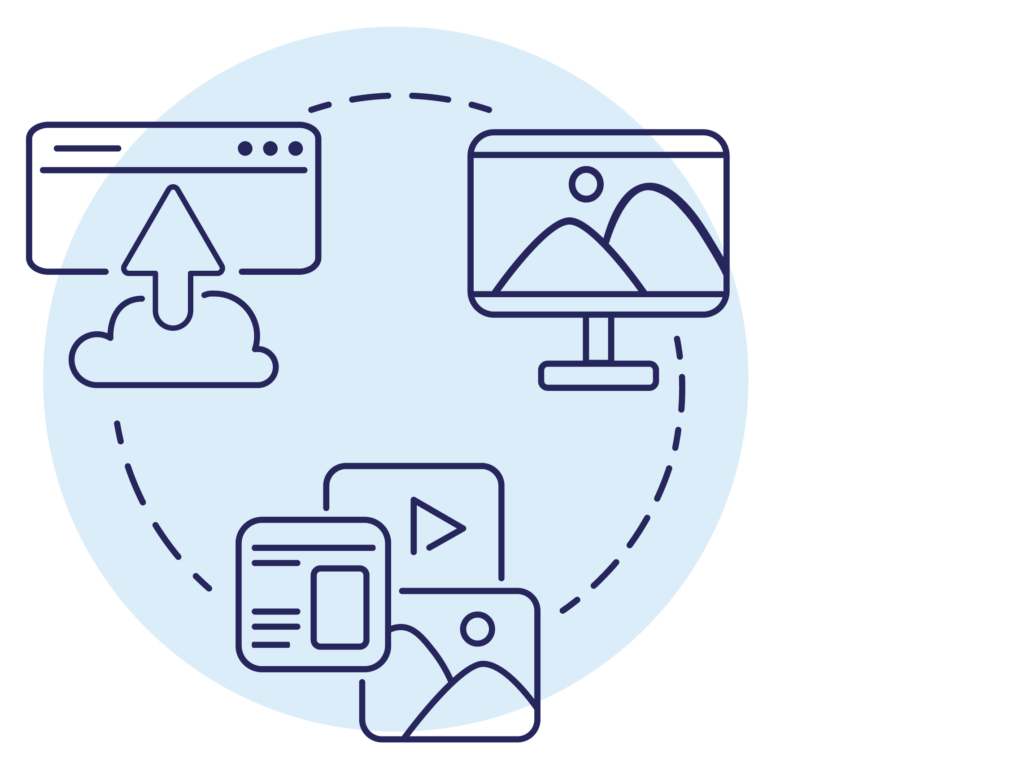
A CMS also allows businesses to create and manage targeted messages for different audiences. For example, a retail store may want to display different content for their in-store shoppers versus their online customers. With a CMS, businesses can easily create and schedule targeted messages for each audience, ensuring that their messaging is more effective.
Another benefit of using a CMS is the ability to track and analyze the performance of each screen. Businesses can track metrics such as screen views, audience engagement, and conversion rates to measure the effectiveness of their digital signage. This information can be used to make data-driven decisions about future content and messaging.
When it comes to choosing a CMS for your digital signage, there are several popular options available.
One popular choice is the cloud-based CMS, which allows businesses to access their digital signage content from any location with an internet connection. Cloud-based CMS options include BrightSign, Signagelive, and ScreenCloud.
Another option is a self-hosted CMS, which requires businesses to host the software on their own servers. This option provides greater control over the software and allows for more customization, but requires a higher level of technical expertise. Popular self-hosted CMS options include Xibo, Scala, and Omnivex. In conclusion, a content management system is a powerful tool that can help businesses streamline their digital signage management process. By using a CMS, businesses can update content remotely, create targeted messages, and track the performance of each screen. When choosing a CMS, businesses should consider their specific needs and choose a solution that fits their budget and technical expertise. With the right CMS, businesses can make their digital signage more effective and engaging for their customers.
